
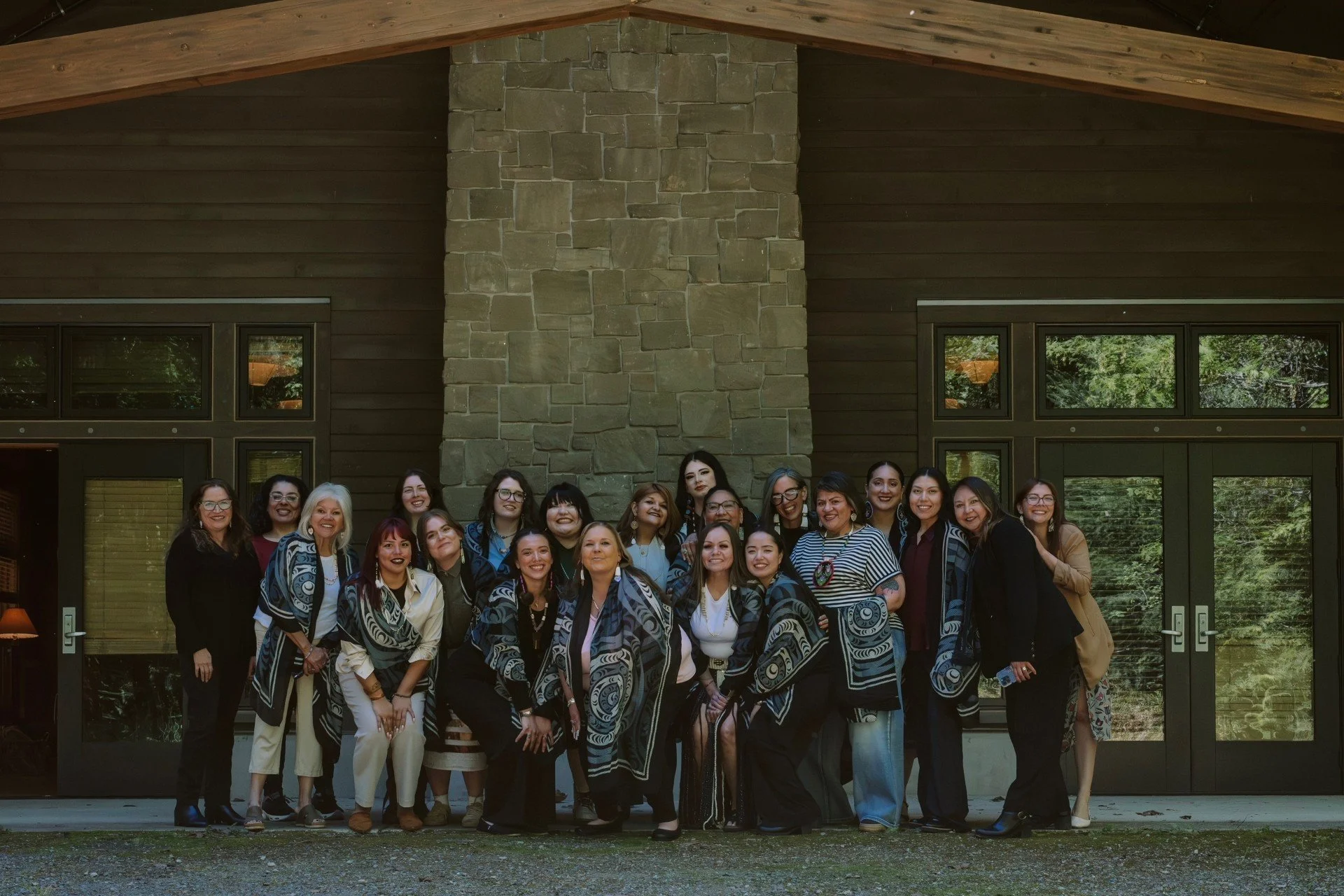
Advocacy Boot Camp Cohort 5
The fifth Advocacy Boot Camp brings together 16 womxn from 15+ tribes.
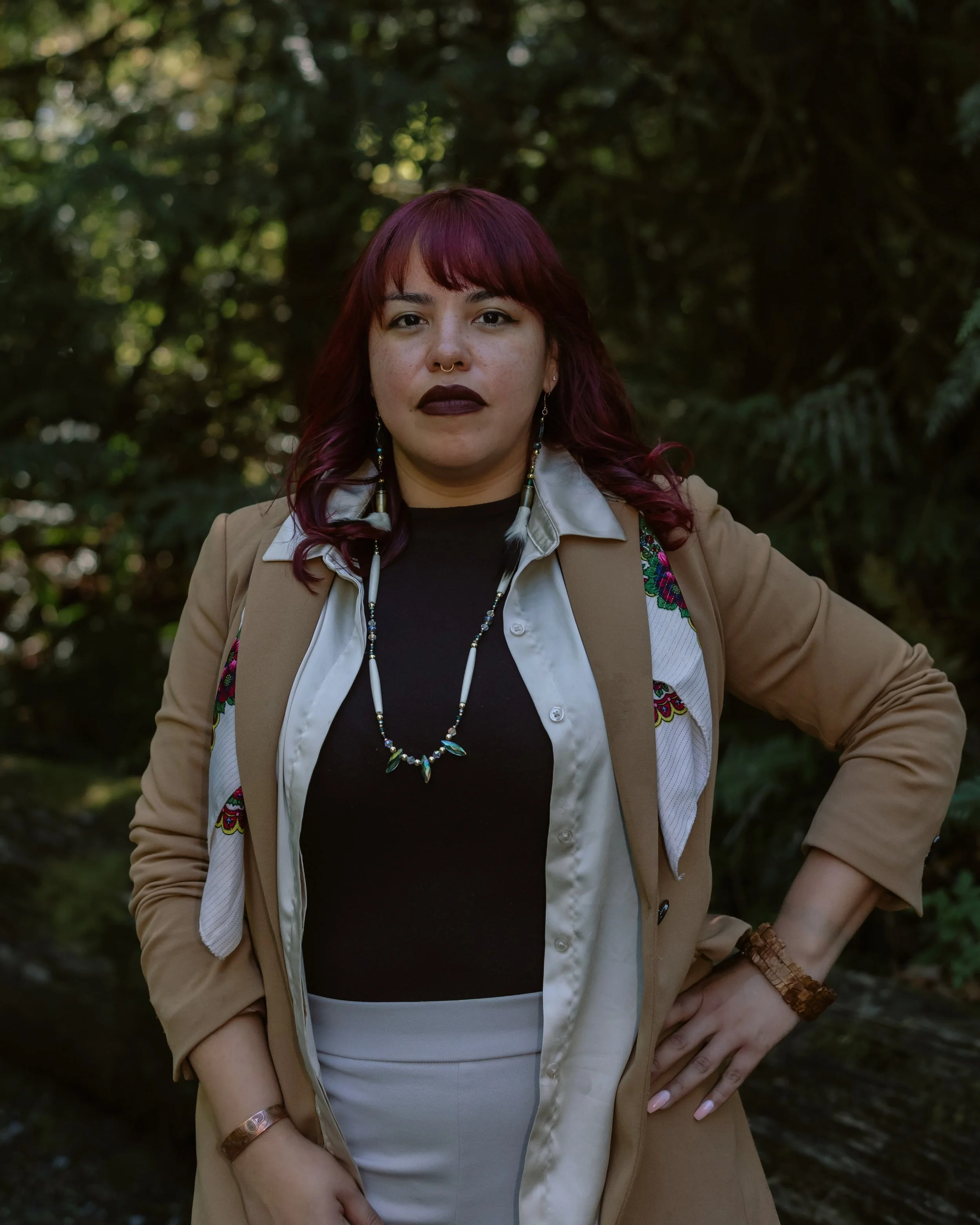
Patricia Allen-Dick, Tlingit (Hoonah) - Enrolled in Central Council of Tlingit & Haida Tribes of Southeast Alaska
Born & raised in Seattle [White Center], Patricia Allen is a direct descendant of one of the Black families that moved to the Central District of Seattle during the Great Migration and a tribal citizen as well as former Tribal Elected Delegate (3 terms) for Tlingit & Haida Tribes of Southeast Alaska. Her mother's family comes from over seven generations of Black and Native lineages from the Mohawk, Seneca, Eastern Band Cherokee, Taina, Black and AfroCaribbean. Her father's family is directly from the Tlingit villages of Hoonah, Haines, Angoon and Sitka. She received her Associate of Arts at South Seattle College, while working at the South Seattle Cultural Center as the Native American Student Commissioner.
During her time attending UW for her Bachelor of Arts degree, she was elected as the Associated Students of UW Board of Directors as the Director of Diversity Efforts 2013-2014), then the Office of Minority Affairs Student Advisory Board Chair and Spokesperson (2014-2015).
Outside of academia, Patricia has been actively participating, voluntarily, in local social justice movements in Seattle and King County - with an emphasis on Black and Indigenous community solidarity. She has helped lead several social justice efforts such as the Seattle Indigenous People's Day Marches, Standing Rock Solidarity against DAPL, Black Lives Matter and MMIW Movements throughout the last 15 years - in both grassroots frontline organizing and coalition-based policy advocacy.
She is the former Education Director at the Northwest African American Museum and currently serves as the Vice President of the White Center Community Development Association. Patricia also has been actively participating in Tribal Canoe Journeys in British Columbia, Canada, Alaska, and Washington every year since 2011. She currently works as a District Navigator for the Division for Access Community & Opportunity as well as for the Tribal Government Liaison to the Chancellor of Seattle Colleges.
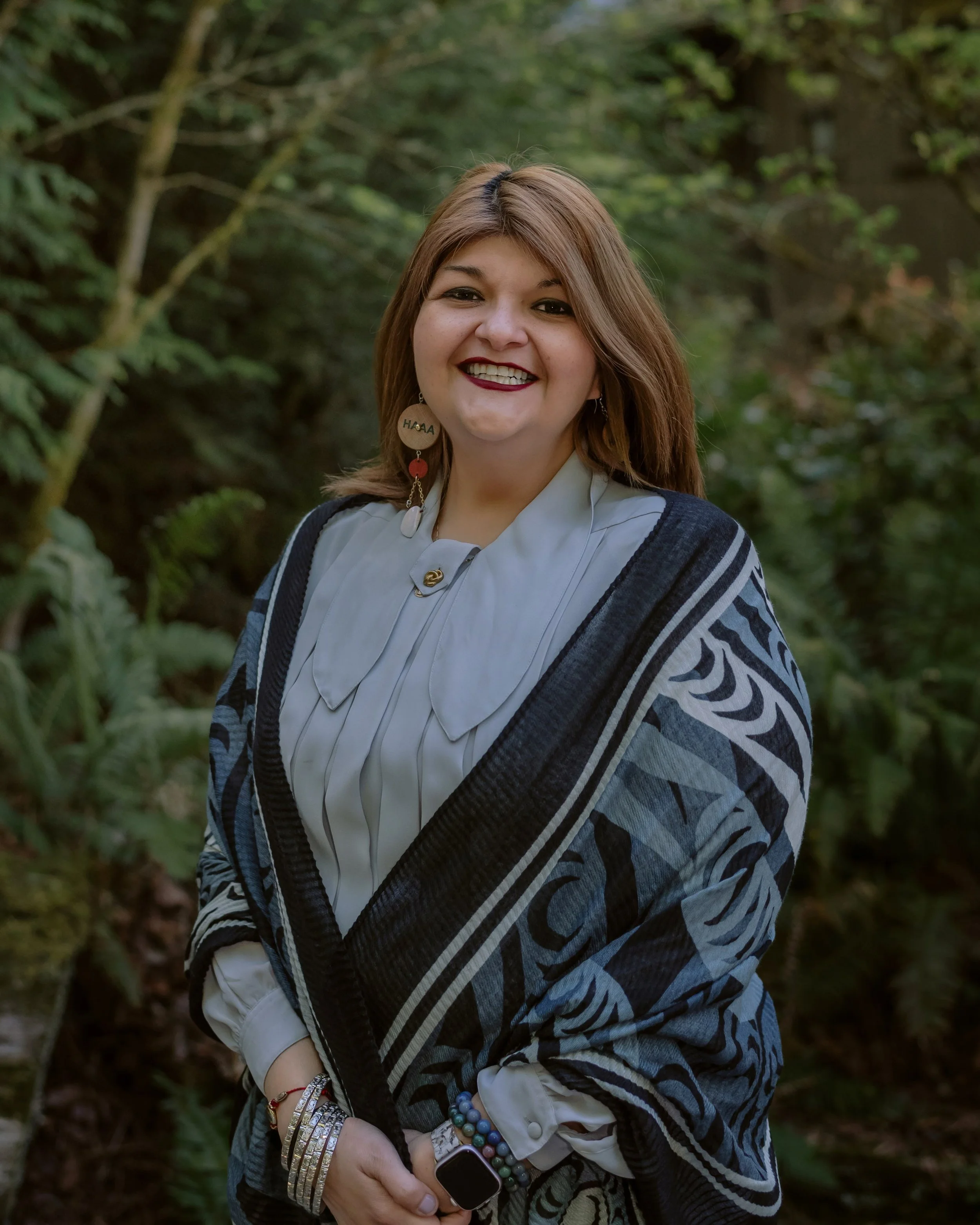
Mercedes Bekke,The Texas Band of L'pan/Lipan Apaches - State recognized
Mercedes K. Bekke (Riojas) is an eighth-generation Tejana of Lipan (L’pan) Apache and Kickapoo Traditional Tribe of Texas ancestry, currently residing in Eastern Washington. She is an urban Native advocate who is actively working with her family to restore their tribal documentation and pursue formal enrollment, honoring a lineage shaped by resilience, cultural continuity, and reconnection. Her identity and advocacy are deeply rooted in the teachings of her grandmother, who instilled in her the responsibility to remember, honor, and carry forward her Indigenous heritage.
Mercedes brings over six years of public service experience supporting Tribal and underserved communities. Serving as a senior administrative and operational support role for executive leadership at Eastern State Hospital and previously worked as Region 1 Support Operations Manager and Regional Tribal Liaison for the Washington State Division of Vocational Rehabilitation. In these roles, she has led program coordination, supported financial and operational oversight, and strengthened partnerships between Tribal governments, state agencies, and community organizations. As a Certified Rehabilitation Leader, her educational background in business management and rehabilitation leadership, equipping her with strong skills in program administration, financial stewardship, and equitable systems navigation.
As an Advocacy Boot Camp member, Mercedes hopes to strengthen her advocacy skills, deepen her understanding of policy and systems affecting Native communities, and build lasting relationships with Indigenous leaders. She is committed to using her professional experience and personal journey to advocate for equity, cultural preservation, and increased visibility for urban Native and historically disconnected Indigenous families. Through this cohort, she seeks to grow as a leader who uplifts Indigenous voices and supports future generations through service, education, and community-centered advocacy.
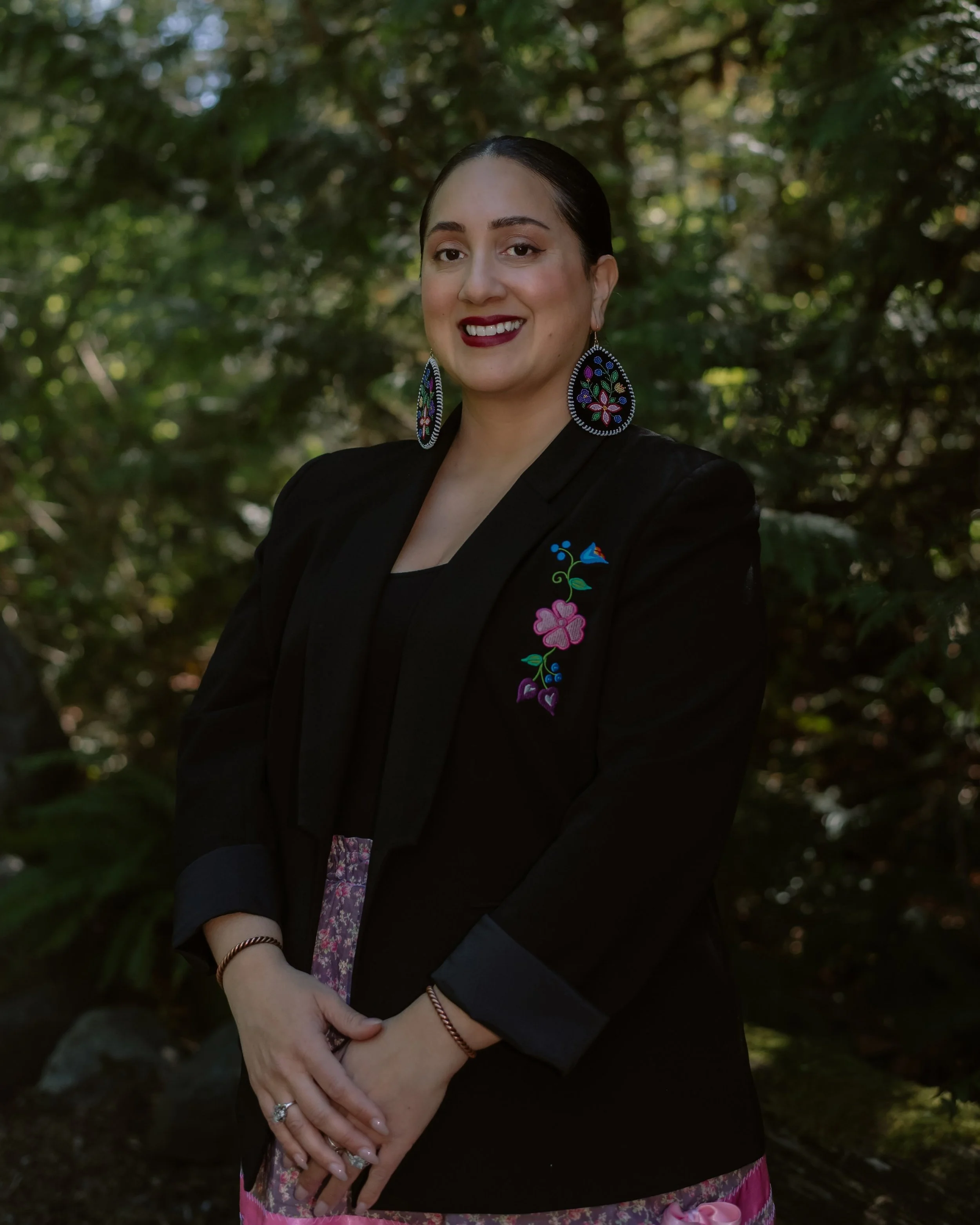
Bawaajigekwe Boulley, Bad River Band of Lake Superior Ojibwe
Bawaajigekwe Boulley (she/her) is an enrolled citizen of the Bad River Band of Lake Superior Ojibwe and resides in Tacoma, Washington. Her life’s work as an educator and advocate is grounded in a deep sense of purpose shaped by her family, community, Ojibwe values, and the natural world along the shores of Gichigami (Lake Superior), where she was raised. These teachings continue to guide how she shows up in educational and policy spaces—with humility, accountability, and care for future generations.
Bawaajigekwe currently serves as the Native Student Success Program Supervisor with the Office of Native Education at the Washington State Office of Superintendent of Public Instruction. In this role, she partners with tribes, school districts, and community leaders to advance culturally responsive, sovereignty-affirming systems that support the academic success and holistic well-being of Native students. Her professional journey spans more than 17 years across K–12, tribal, and state-level education systems, informed by working alongside knowledge bearers, colleagues, and—most importantly—the young people she has had the honor of learning with and from.
Her greatest teacher is her daughter, a college student pursuing a career in education, who continually reminds her of the responsibility educators hold to students and families. She is also shaped by a lineage of public service: her mother, a retired reading specialist, and her father, a tribal judge and former prosecutor, whose lifelong advocacy for healthy families and strong systems continues to inspire her work.
As a doctoral candidate in Indigenous Education and Leadership, Bawaajigekwe seeks to deepen her advocacy skills through the Native Action Network Advocacy Boot Camp in order to more effectively influence policy, elevate Indigenous voices, and contribute to systems that reflect the values and strengths of Native communities.
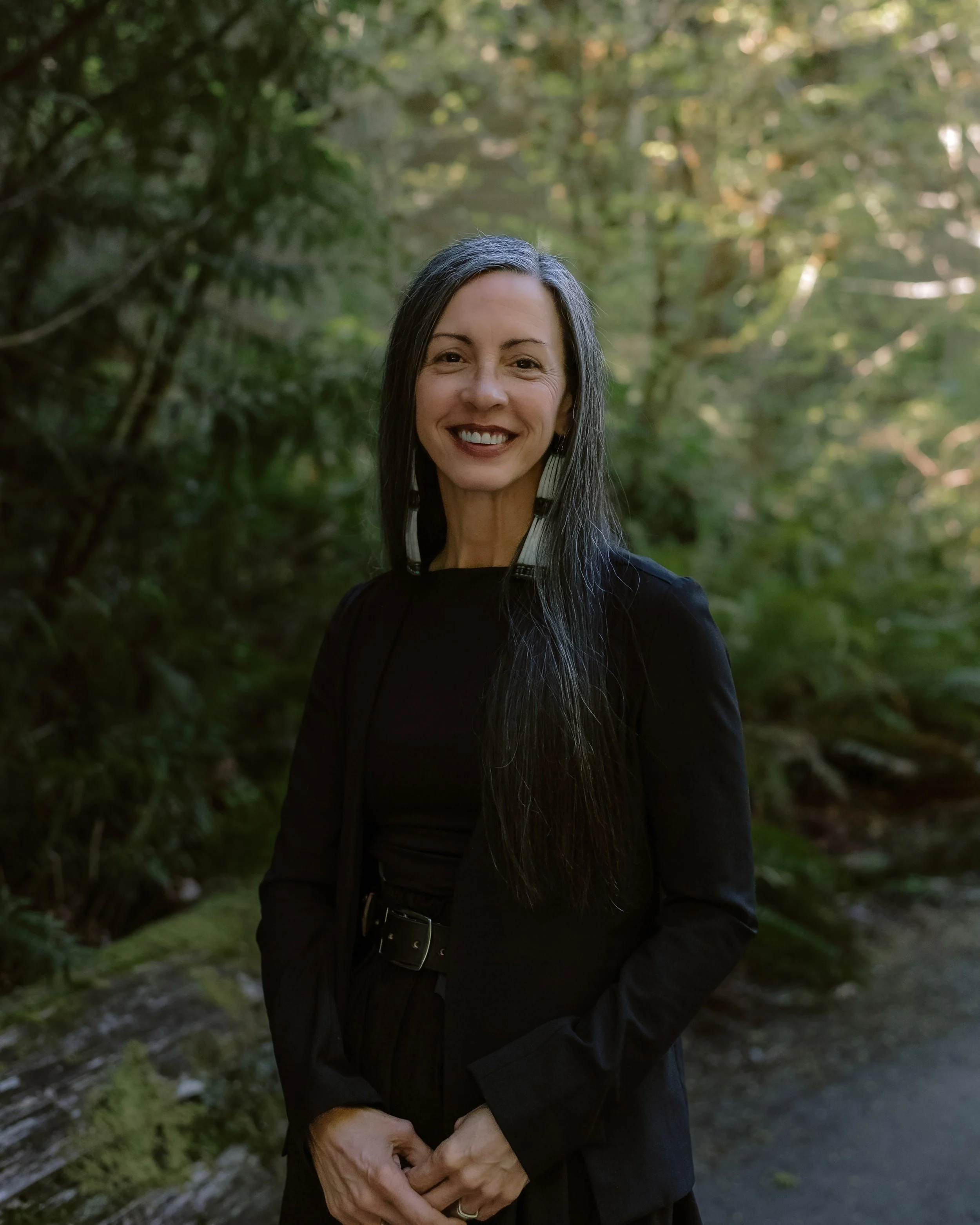
April Eslami, Descendant Cherokee-Shawnee
April Eslami (she/her) is a community advocate and family leadership practitioner residing in Shoreline, King County, within Washington’s 32nd Legislative District. She is a descendant of Cherokee and Shawnee ancestors and is committed to honoring those ancestral connections through continued learning and relationship.
April currently serves as a Program Manager at Washington Family Engagement, where she works in partnership with families, educators, and community organizations to strengthen family voice in education systems, promote civic engagement, support access to resources, and build advocacy skills that create more equitable opportunities for Native youth and families. Her work centers values of reciprocity, relationship, and responsibility, and is guided by a commitment to community-centered leadership.
She serves on her district’s Title VI Parent Action Committee, is a member of the first Indigenous cohort of the OSPI Nakia Academy, and is a recipient of the WASA Community Leadership Award for her support of Native students in her district. Her experience includes leadership development, community organizing, culturally responsive family engagement, and preparation of families for effective participation in public systems.
As an Advocacy Boot Camp cohort member, April hopes to deepen her advocacy skills, strengthen connections with Indigenous leaders and changemakers, and gain practical insights that enhance her capacity to serve Native communities with accountability, humility, and care.
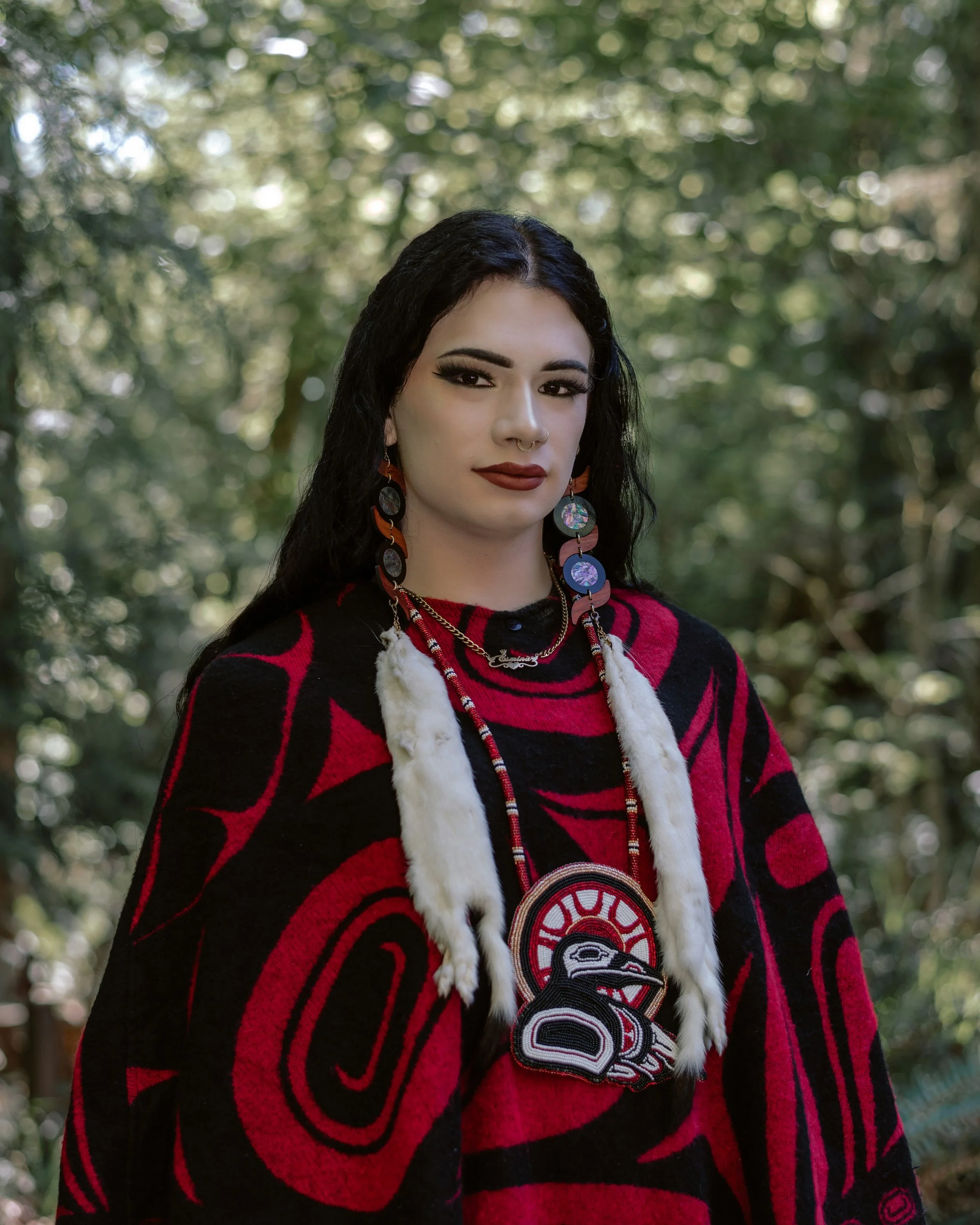
Esmina James-Secret, Tlingit and Haida
Ésminà James-Secret is a powerhouse in advocacy, from child welfare to prison reform they have focused on advocating for a better world that focuses on Black and indigenous solidarity. She is a Tlingit and Haida enrolled tribal citizen and has Lummi Ancestry as well . They reside in Seattle Washington in King county and considers Łingít Aaní to be where her heart and spirit lives. They are currently an enrolled student at Seattle Central College pursuing an associate of arts transfer degree with hopes of then transferring to Seattle University to pursue a forensic psych program and then go onto law school with a focus on tribal law with hopes of doing legal work with her tribe after higher education. They are hoping to gain community and insight into how to deal with systems of oppression while being indigenous. She hopes to find better ways to handle conflict within intertribal work and also how to address the violence they face as native women who advocate. They hope that NAN ABC can help them find our more ways to engage meaningfully for all relatives across NDN country.
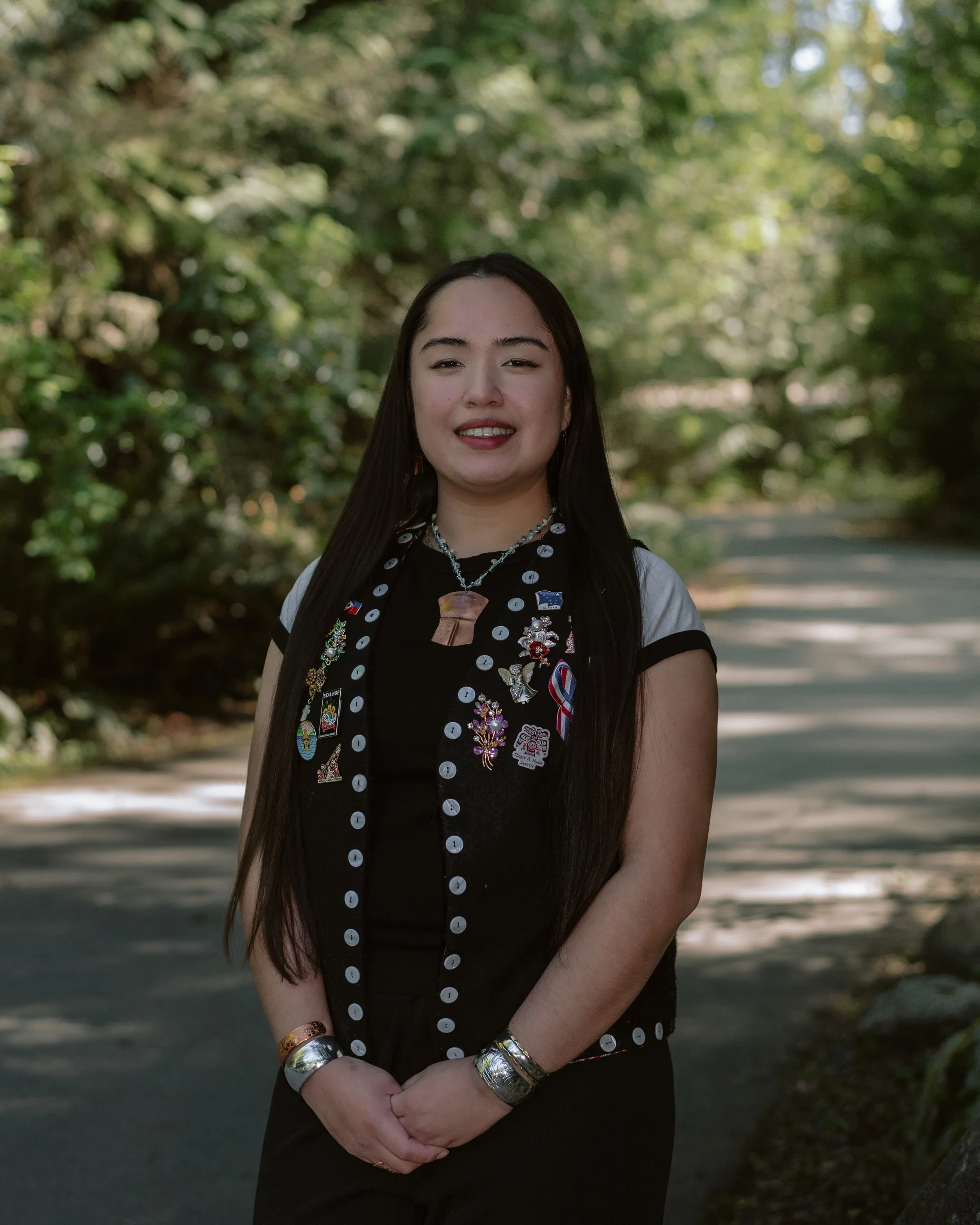
Jasmine Knudson, Tlingit
Thla-Tee-SAK (Lingít) Jasmine Knudson (Tlingit) grew up on the traditional land of the Coast Salish peoples. She grew up in Bellevue, Washington. She attended Tyee Middle School and Newport High School. She is completing a Bachelor of Arts in Interior Design at Bellevue College. Her academic focus bridges contemporary design principles by creating spaces that reflect history and celebrate the cultural values of diverse communities.
Thla-Tee-SAK is motivated by a deep-seated goal for her future career. She believes in continued preservation of land acknowledgments to establish tangible environments where Indigenous presence and design philosophy are naturally perceived and experienced.
Her senior thesis project reimagines a multi-purpose building (Retail, Restaurant & Residential) using regional environmental narrative and Tlingit formline art. It is a designed space that acknowledges the land we are on combined with a form line element. The design doesn't shout its cultural influences; it whispers them. This is an example of subliminal, rather than explicit, cultural integration. Like the grammar of a language we speak fluently, the cultural principles are embedded in the design's very structure. You don't see them listed in a manual, but they guide the entire experience, shaping how you interact with and feel about the design in a way that feels natural and intuitive.
As an ABC cohort member, she aims to gain business acumen, professional network, and practical tools to launch a design consultancy dedicated to this mission. Thla-Tee-SAK seeks to learn how to ethically collaborate with tribal nations and artists, translate cultural values into sustainable business practices, and ultimately design environments that honor the land and its original stewards through every curated sightline, material choice, and spatial experience.
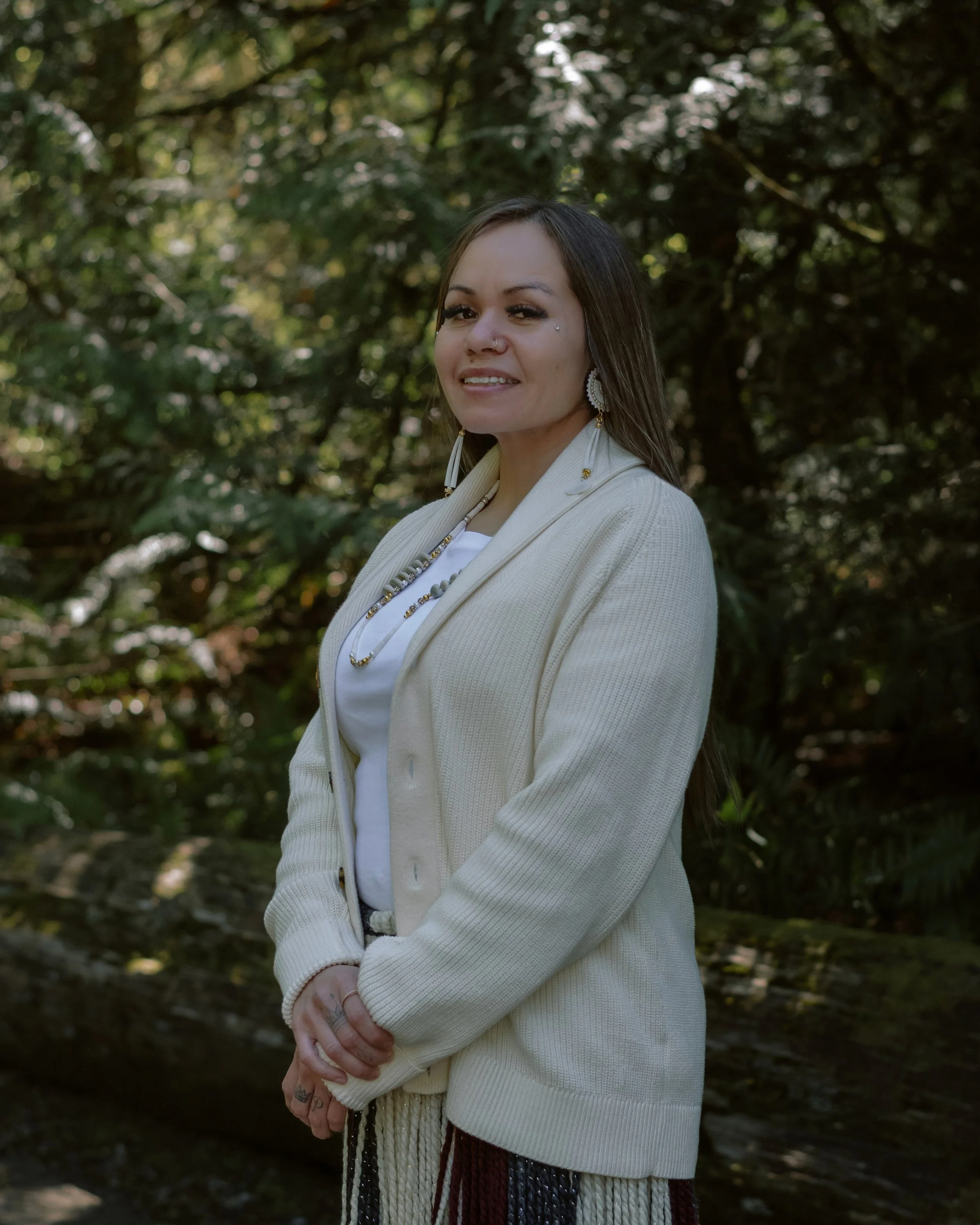
Suzette Louie, Muckleshoot Indian Tribe
Suzette A. Louie is an enrolled member of the Muckleshoot Indian Tribe and resides in King County, Washington. She works for the Muckleshoot Indian Tribes' General Services Department, where she serves as a Support Services Worker III and Acting Administrative Assistant III. In this role, Suzette supports essential Tribal operations by coordinating janitorial services, managing supplies and invoicing, processing daily work orders, and assisting with community events that serve Tribal members, Elders, and staff. She is frequently relied upon during periods of transition and staff shortages, helping maintain organization, communication, and accountability.
Suzette is also a student at Northwest Indian College, where her coursework focuses on Indigenous knowledge, community responsibility, and leadership. She applies what she learns directly to her work and community, believing education should be practical, culturally grounded, and shared.
As a Native woman and parent, Suzette’s commitment to advocacy is rooted in lived experience and service. She is passionate about strengthening Native women’s voices in decision-making spaces and supporting systems that uplift Indigenous families. Through participation in the Advocacy Boot Camp, she hopes to gain practical advocacy tools, deepen her understanding of policy and organizing, and build meaningful relationships with other Native women leaders. She plans to use these skills to continue serving her Tribe and community with integrity and purpose.
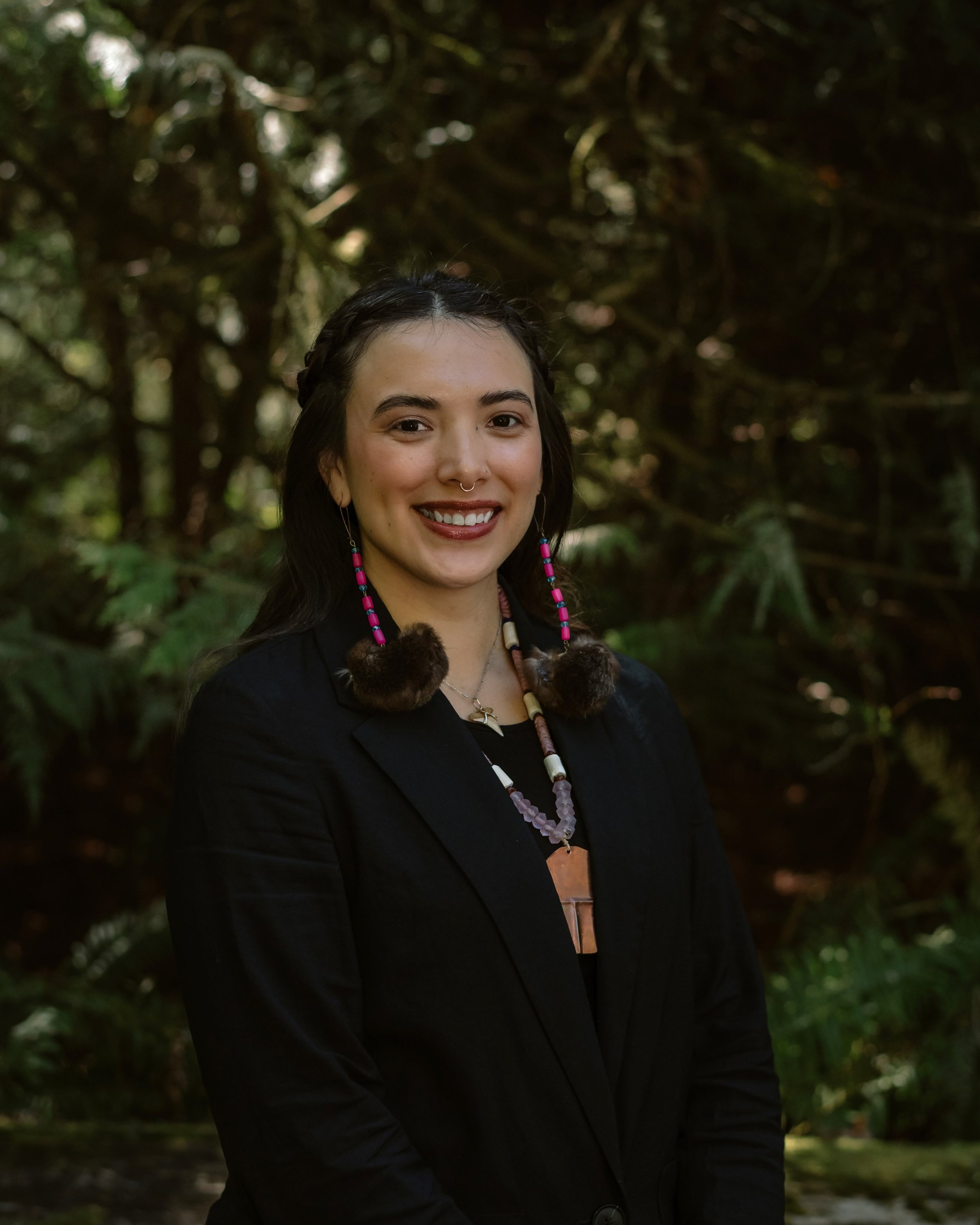
Stephanie Masterman, Tlingit and Haida Indian Tribes of Alaska
Stephanie Masterman is Tlingit from the Wooshkeetaan (Eagle/Shark) clan of Hoonah, AK and an enrolled citizen of the Tlingit and Haida Indian Tribes of Alaska. Born and raised in Washington, Stephanie has pursued her career and education in the PNW while maintaining strong ties to her community locally and home in Southeast Alaska. Stephanie is a graduate of the University of Washington with a Bachelors in American Indian Studies and a Minor in Arctic Studies. After earning her degree, she began her current role as Tribal Nations Senior Manager at Washington Conservation Action, a leading environmental advocacy organization. For the past six years, Stephanie has served two terms as an elected Delegate for the Tlingit and Haida Seattle Community Council and Washington Chapter and one term as the elected Emerging Leader for the Tlingit and Haida Executive Council. In this capacity, she focused on issues related to Missing and Murdered Indigenous Women and People, stiving to bring self defense training and resources to her community. As her current term comes to end, she is eager to take the next step to further her education and pursue graduate school with interest in Indigenous Law.
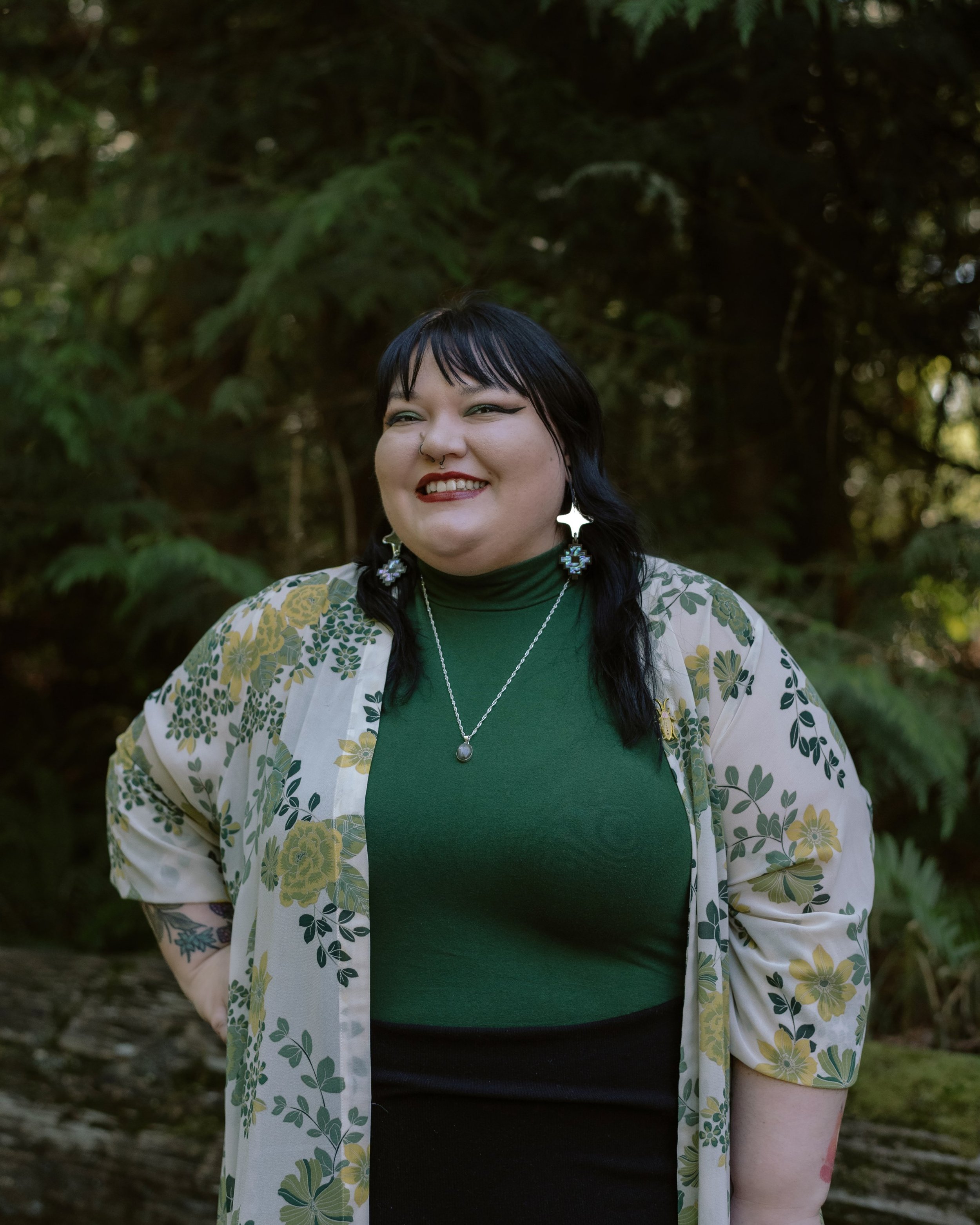
Haley McGraw, Quinault Indian Nation
Haley McGraw is an aspiring librarian from the Quinault Indian Nation. Growing up in Lake Quinault, Haley is connected to her land and working on connecting to her tribal communities.
Currently, she is an MLIS candidate at the University of Arizona. While attending school online, she is also the Director of Library Services as Grays Harbor College -- leading the work in the library, tutoring center, and art gallery. Additionally, she is serving as an Intern for the Literary Initiatives Program at the Library of Congress. Her work will cumulate in support of the National Book Festival held in Washington DC in Summer 2026.
Haley holds a Bachelor of Arts in Literary Studies from Eastern Washington University, where she worked for several terms as an Intern on the Lucy Covington Digital Archive (https://archive.lucycovington.org/) documenting and preserving the legacy of Lucy Covington's dedication to anti-Termination advocacy.
In her professional career, Haley has successfully worked to repatriate human remains under NAGPRA guidance, as well as develop an annual program in the Spellman Art Gallery at GHC that honors cultures of all kinds -- emphasizing important themes in today's socio-political climate as well as serving the education needs of the GHC student body and the Grays Harbor/Pacific county's community at large.
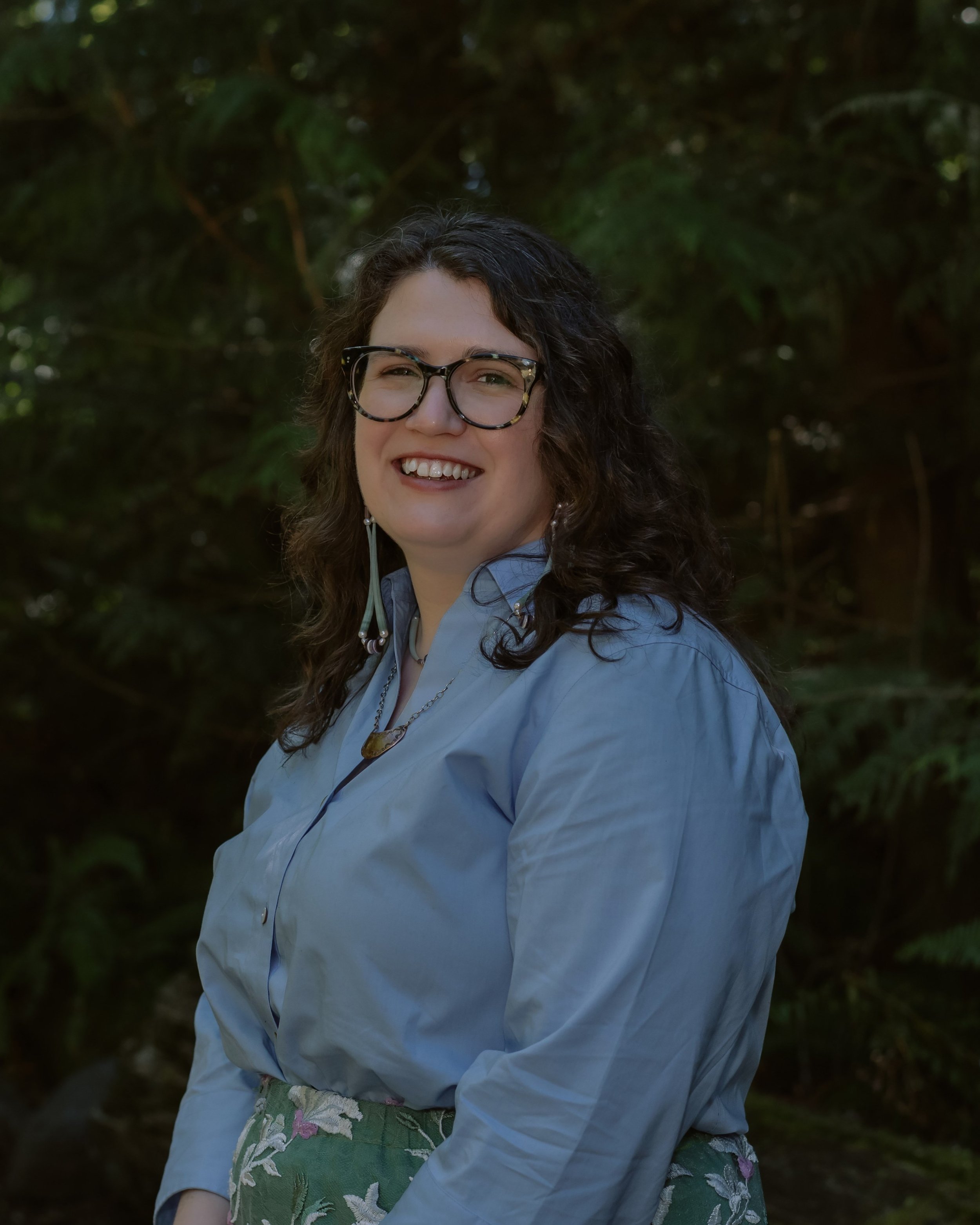
Kolbi Monasmith, Cherokee Nation
Kolbi Monasmith is a citizen of the Cherokee Nation of Oklahoma born in Yakima, who grew up in the Seattle metropolitan area. Kolbi holds an Associate of Arts degree from Seattle Central College, a Bachelor of Arts in Political Science with minors in Human Rights and Entrepreneurship from the University of Washington, and a Master of Arts in Development Studies from the University of Sussex. Currently, Kolbi Monasmith works for the City of Seattle as the Indigenous Advisory Council Liaison. She provides staff support to the Indigenous Advisory Council and works to support Tribal and Urban Native voices in city policies and programs. Previously, she worked as the Native Workforce Program Manager at United Indians of All Tribes Foundation, where she managed a federally funded program providing education, employment, and financial education services for the Native community. Additionally, she has worked for the U.S. Peace Corps in South Africa as an English and HIV/AIDS prevention educator. She is also the founder of her own business, Kolbi Jane Design, where she combines traditional and contemporary beadwork with foraged botanicals.
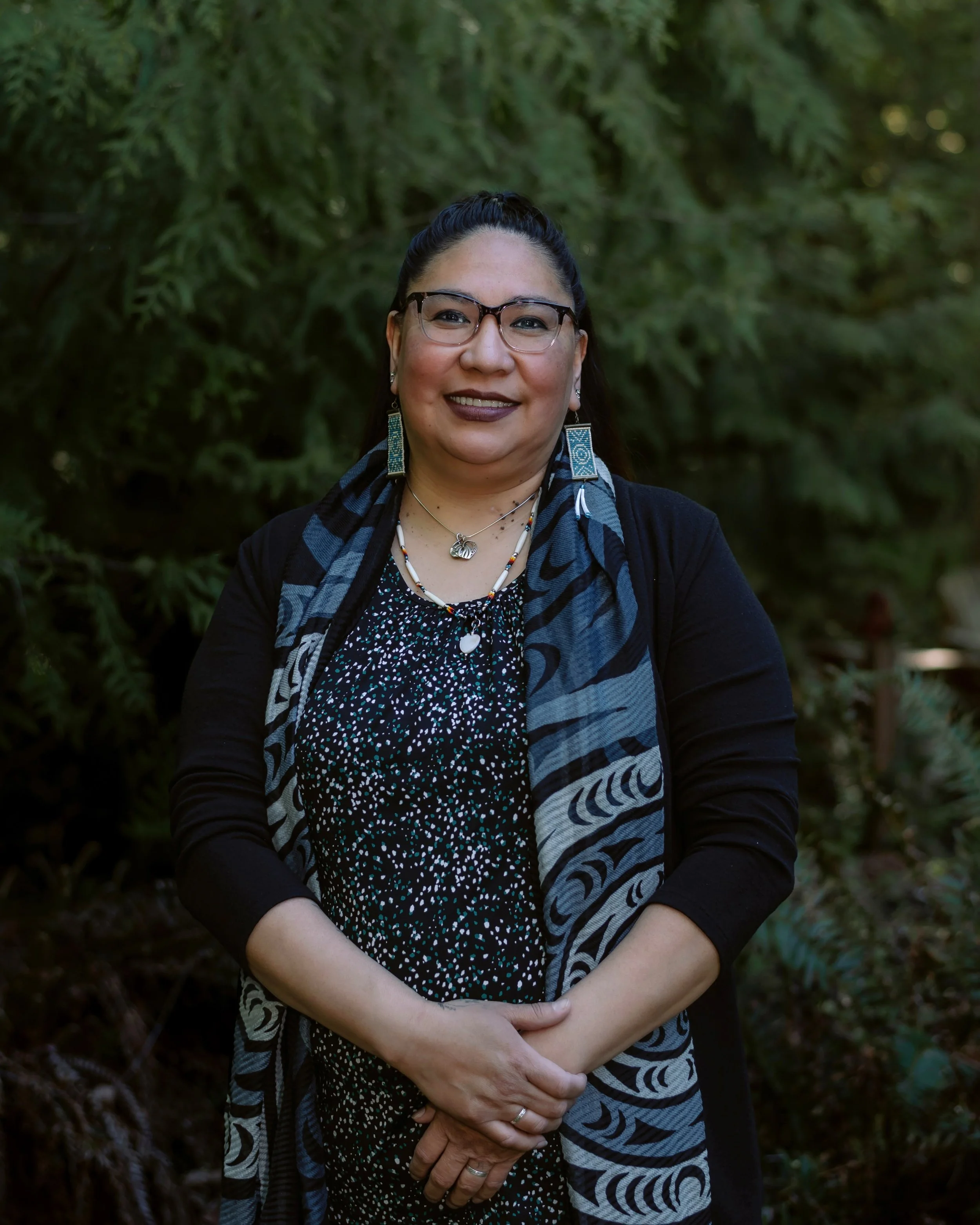
Blaine Parce, Assiniboine/Sioux
Blaine Parce is an enrolled Assiniboine and Sioux of the Fort Peck Tribe. She was born 1982 and raised in Seattle Washington. She attended Seattle Public Schools from elementary through High School. Here is where Blaine has been raising her family. Blaine has six children, with two still attending Seattel Public schools. Blaine attended American Indian heritage, graduating in 2000. Sadly, the school no longer exists and that is where she began her road in advocacy. Blaine also started volunteering with a local nonprofit, Urban Native Education Alliance. Blaine has been involved with them as a parent/volunteer and a previous member at large, for about 15 years. Blaine also is involved with NAWDIM, as a participant she made her first cradle board approximately 17 years ago, since then she has become one of the co-teachers for the last eight years. Blaine has been doing many things that she feels will help her family and her community. Blaine has started with the Family connectors through Seattle Public Schools. This module helps parents and caregivers the tools they need to navigate the school system. Blaine has taken this module four different times. After learning these tools, Blaine has the opportunity to sit on in school committees. Blaine also had the opportunity to expand her learning with the Native Organizer Alliance training. There she was able to connect with new relatives from all over, learn how to incorporate her grassroots organizing, and plan strategically. Blaine also took initiative to apply for the Advance Native Leadership Institute. She went through an extensive application process and made it through. Blaine was joined with a few others, some already in political positions and some learning to run for office. There she learned how to implement her lived experiences, strategically plan run a campaign. Blaine has previously run for a school board position but did not make it through the primary election. She now sits on the Seattle counsel PTSA.
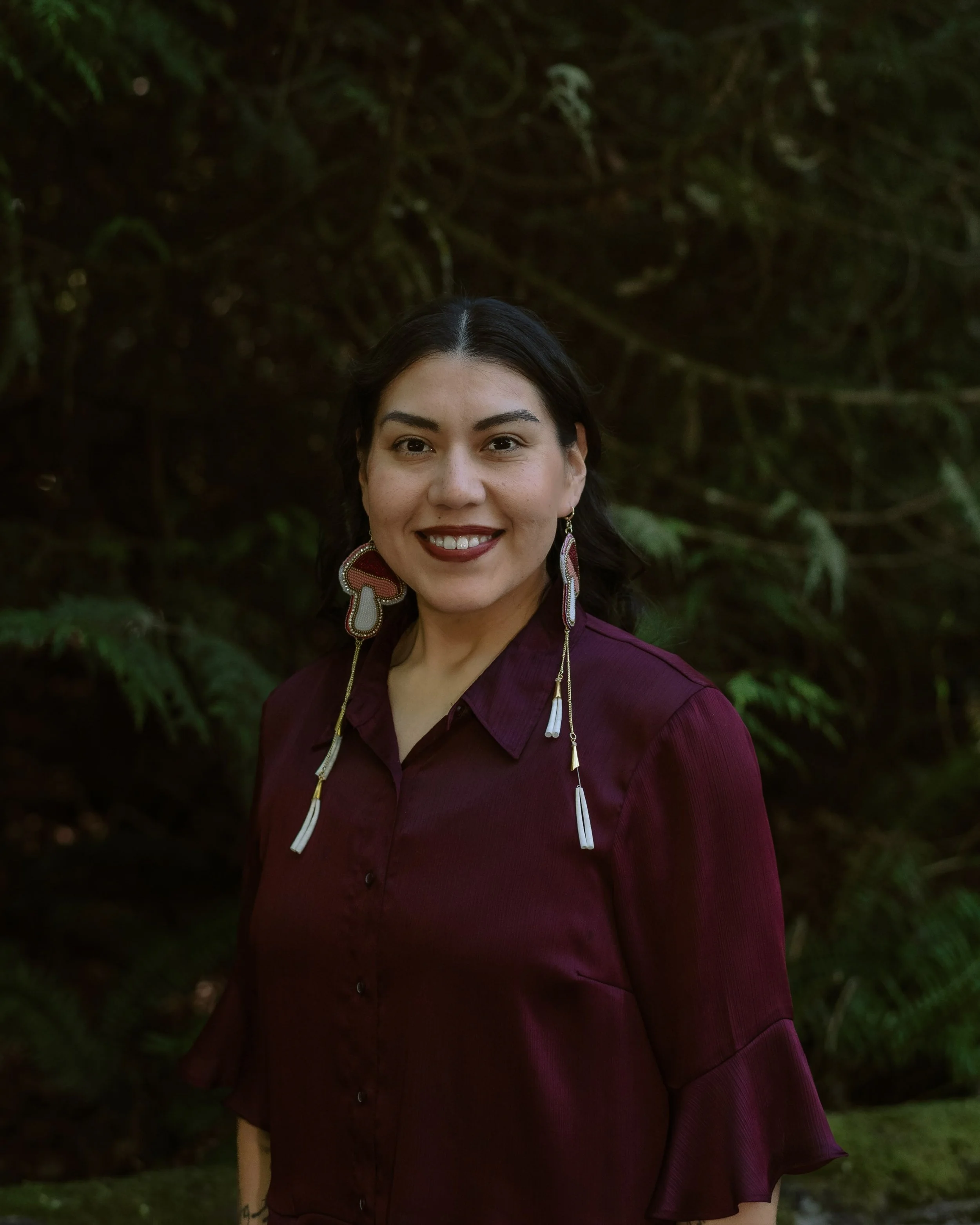
Woyukudoy Poole, Comanche, Choctaw, and Chiricahua Warm Springs Apache
Woyukudoy Poole is an enrolled member of the Comanche Nation of Oklahoma. She currently resides in Seattle Washington where she is self employed and is devoted to using her time to make change and building a community of individuals with similar passions. She began her interest in advocacy from a young age when learning from her grandparents and family of the many trials and tribulations that native people had endured. She wasn’t sure where to begin at the time and was not old enough yet to understand the magnitude of our history as native people. However, one thing she did know was that she had a massive love for animals and that she had a voice to use. It began with animals because of their pure and selfless nature. Many times they did not have anyone speaking up for them, how they were treated, or their living conditions. The desire to find answers and ensure that they were being treated properly ignited a fire in her. The passion then spread to native children in the foster care system and mental health for native youth. These issues were both important and very personal to her. It came down to her seeing that those who were the most vulnerable did not always have someone in their corner. They needed someone that cared enough to ensure they were being cared for and treated justly. Her highest hope from this program is learning more ways to use her voice and connecting with others so that change can be implemented for those that are still the most vulnerable in her community.
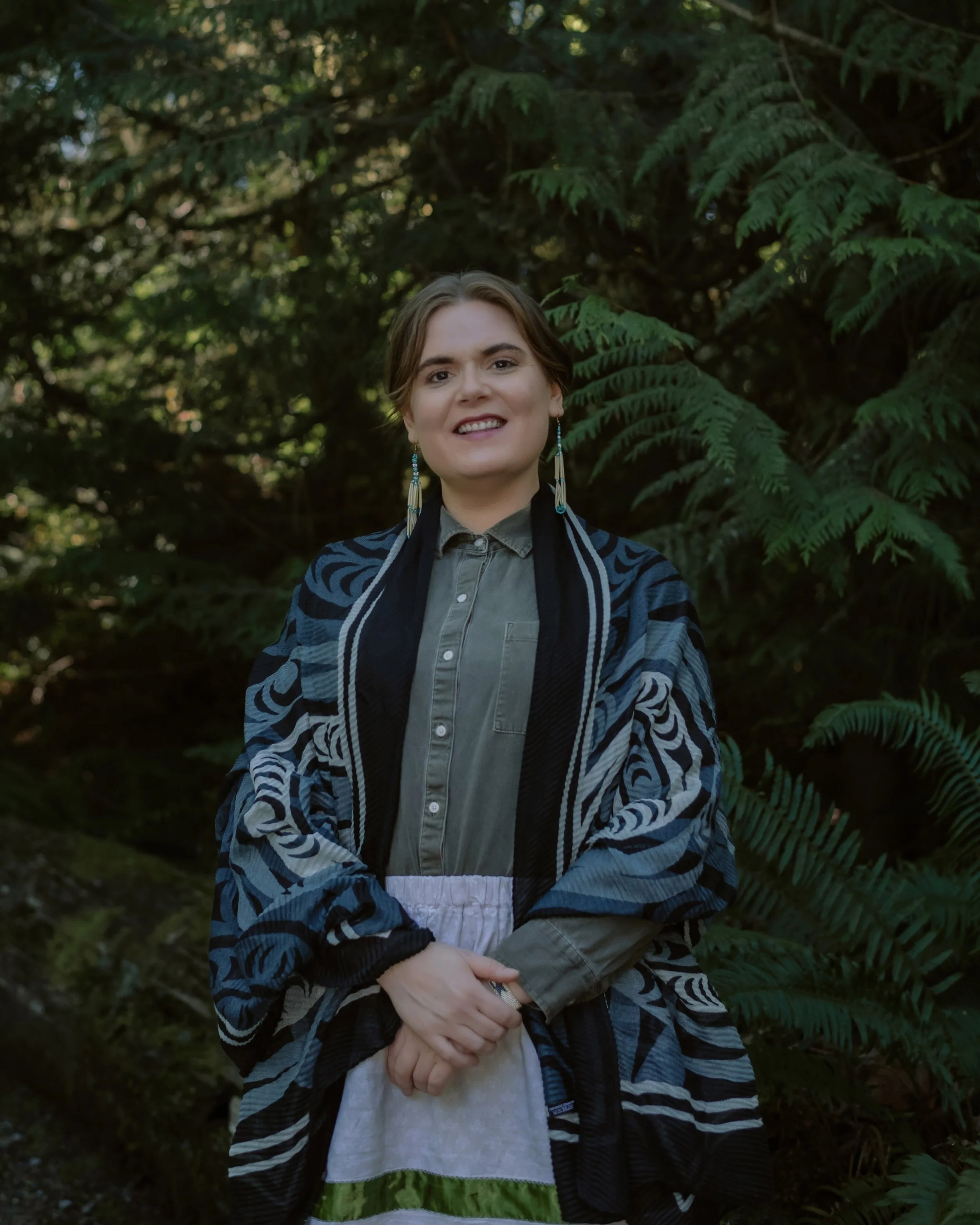
Claire Ramos, Oglala Lakota
Claire Ramos is a proud member of the Oglala Lakota Nation. She resides on unceded Duwamish Land in the 36th Legislative District and is part of Seattle’s Council District 7. Claire’s passion for community and justice can be seen in her work with House Our Neighbors, Stop the Sweeps, Tech 4 Housing, and mutual aid groups across Puget Sound. She has been an organizer for grassroots campaigns for local office- Sheree LeSalle, Nikita Oliver, Katie Wilson, I-135, I-137, Prop 1A.
After a sporadic, rural childhood education, Claire Ramos received her GED at 14 years old in 2006. She spent a decade in customer service jobs before earning her Associates Degree in Specialty Desserts and Breads from Seattle Central College in 2016. After seeing the positive impact on her community from UIHI’s 2016 MMIW report, Claire decided to pursue a career in data science, with the hope of bringing positive changes to her communities. Claire received her Bachelors of Science in Applied and Computational Mathematical Sciences from the University of Washington in 2020.
Claire is currently a Senior Data Engineer at a technology consulting firm, where founded her company’s Indigenous Employee Network to cultivate community, share resources, and highlight achievements for her Native coworkers. As an award-winning beadwork artist, she enjoys showcasing traditional Oglala designs on modern fashion accessories. Claire is looking forward to learning, networking, and practicing how to best serve future generations.
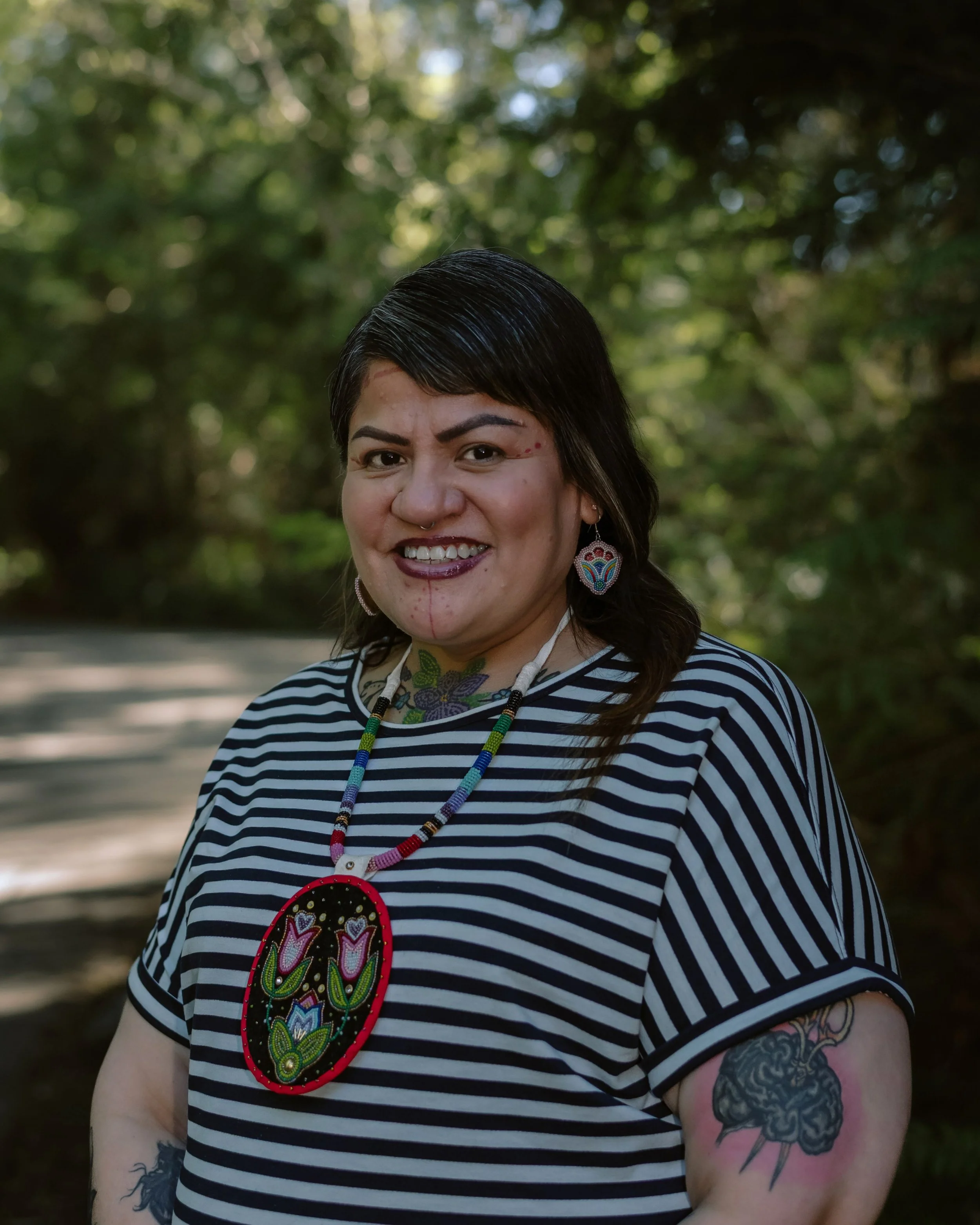
Angel Tomeo Sam, Colville Tribal citizen (Sinixt/n̓səl̓xčin̓), descendent Quinault & Ft Peck Nakota
Angel Tomeo Sam is a Salish woman from the Bitterroot Mountains to the Salish sea. She is a community leader based in Spokane County, Washington, working across urban and regional Native communities. She serves as Executive Director of Yoyot Sp’q’n’i, an Indigenous, peer-led nonprofit, where she leads culturally grounded programs including Auntie’s House Healing Shelter, MMIWP Outreach for Prevention, Huckleberry Sisters Coalition for women & families impacted by incarceration, and the Setting the Table food sovereignty initiative. Her work centers Native women, justice-impacted relatives, and families navigating safety, behavioral health & reentry systems. She serves in coalition and advocacy leadership roles advancing non-carceral public safety, Tribal and Urban Indigenous inclusion, and community-driven policy solutions.
She also serves in regional coalition & policy spaces focused on prevention, crisis response, and justice system reform, helping advance non-carceral and Indigenous-informed public safety strategies. Her leadership is grounded in lived experience, long-term recovery, and peer workforce development.
Her educational background is rooted in community-based leadership development, advocacy cohorts, and nonprofit governance training. As an ABC cohort member, she hopes to strengthen her electoral and policy advocacy skills, grow Native women’s leadership networks, and build coordinated Indigenous political power through civic engagement and organized action.
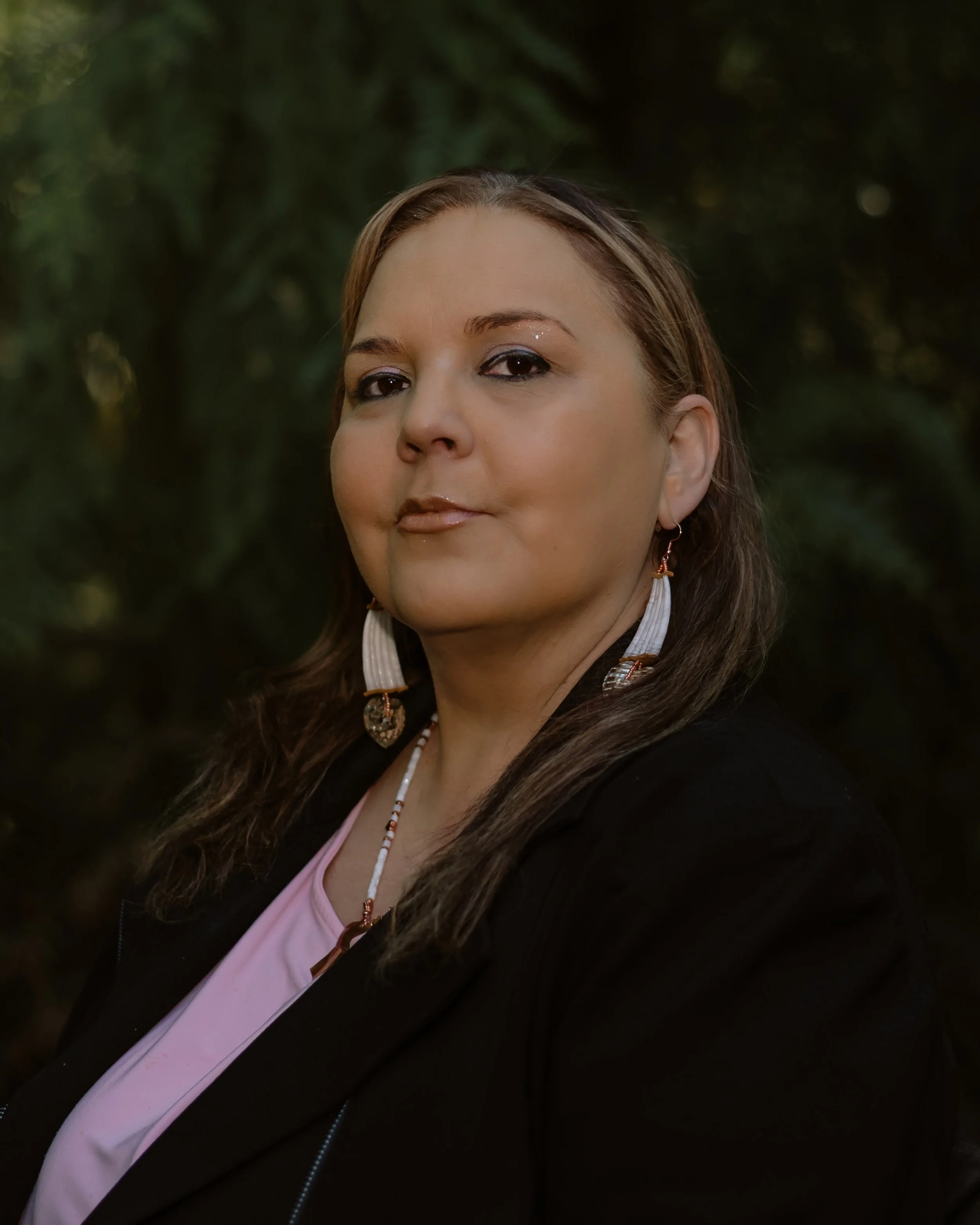
Amanda Warren, Central Council of Tlingit and Haida
Amanda Warren is a proud enrolled Tribal Citizen of the Central Council of Tlingit & Haida Tribes of Alaska. She is Kaagwaantaan (Wolf Clan). Her family is from the Chilkat Indian Village in Klukwan, Alaska. She resides in Lynnwood Washington where she proudly volunteers and serves on committees for the Tlingit & Haida Washington Chapter Non-Profit. She also works as a freelance Paralegal on Civil and Probate cases.
Amanda has an Associate of Applied Science in Paralegal studies from Edmonds Community College. She also has an Indian Land Associate II Certification from ICC Indian Enterprises. She is currently attending Land Professional classes at ICC Indian Enterprises where she works on obtaining her Indian Land Professional Certification.
Amanda is passionate about pursuing education that can assist her community with various obstacles they face in their community including land issues. She is driven by creating positive change and providing representation for those in her community.
Her goal is to obtain a Bachelor's degree in Political Science and a Juris Doctor degree so she can pursue a career in Law and Politics.